


Introduction: The Need for Financial Clarity in a Complex Economy
Running a business involves many moving parts, and finances are often one of the most challenging areas to manage. From tracking expenses and revenue to staying compliant with tax regulations, financial management requires careful attention and consistency.
When finances are unclear or poorly organized, business owners may struggle to make confident decisions. Financial clarity changes that. It provides a clear view of where money is coming from, where it is going, and how the business is performing overall.
Professional accounting services help turn financial data into understandable, reliable information. With the right support, businesses can manage their finances with greater confidence and focus more on growth and long-term success. Understanding the fundamentals of accounting (https://en.wikipedia.org/wiki/Accounting) can help business owners appreciate the structure and discipline behind accurate financial management.
What Financial Clarity Really Means
Financial clarity means having a clear and accurate understanding of a business’s financial position at any given time. It involves knowing how much money the business earns, what it spends, and what companies are able to track their income, expenses, assets, and liabilities without confusion. Instead of relying on rough estimates, they can see the full financial picture.
Clear financial records also make it easier to identify opportunities for improvement. When the numbers are easy to understand, business owners can quickly spot areas where costs can be reduced or profits can be increased. Tools like financial statements (https://en.wikipedia.org/wiki/Financial_statement) play an essential role in providing this visibility.bligations it needs to meet.
Businesses with financial
Why Professional Accounting Services Matter
Professional accounting services go far beyond basic number-crunching. Accountants help businesses organize financial records, manage tax responsibilities, and interpret financial information in meaningful ways.
An experienced accountant acts as a trusted advisor. They help business owners understand what the numbers mean and how those numbers should influence future decisions. The work performed by a professional accountant (https://en.wikipedia.org/wiki/Accountant) often combines financial expertise, regulatory knowledge, and strategic insight.
This guidance can be extremely valuable, especially for growing businesses that need to balance daily operations with long-term planning.
Bookkeeping: The Foundation of Financial Understanding

Every financial decision begins with accurate records. Bookkeeping (https://en.wikipedia.org/wiki/Bookkeeping) ensures that all financial transactions are recorded correctly and consistently.
This includes tracking sales, expenses, payroll, invoices, and other financial activities. When bookkeeping is handled properly, businesses always know where their money stands.
Without organized records, small errors can quickly turn into larger financial problems. Professional accountants help maintain clean and accurate books, ensuring that financial information remains reliable and easy to interpret.
Financial Planning and Forecasting
Planning for the future is much easier when financial information is clear and organized. Financial planning uses past performance and current data to prepare for what lies ahead.
Accountants analyze trends, spending patterns, and revenue growth to create projections that guide business decisions. These projections are often referred to as financial forecasts (https://en.wikipedia.org/wiki/Financial_forecast), which help businesses anticipate future performance and prepare for potential challenges.
With proper financial planning, companies can make smarter decisions about hiring, expansion, and investment.
Managing Taxes with Confidence

Taxes can be complicated, especially for businesses that must follow strict regulations and reporting requirements. Missing deadlines or filing incorrectly can lead to penalties and unnecessary stress.
Professional accounting services help ensure that businesses remain compliant with tax regulations (https://en.wikipedia.org/wiki/Tax). Accountants prepare accurate returns, track deductions, and keep records organized throughout the year.
This support reduces stress and helps business owners feel more confident during tax season while also ensuring that financial reporting remains compliant and transparent.
Cash Flow Management
Cash flow is one of the most important factors in keeping a business stable. Even profitable businesses can struggle if cash flow is poorly managed.
Cash flow (https://en.wikipedia.org/wiki/Cash_flow) management focuses on tracking how money moves in and out of a business. This includes monitoring payments from customers and managing expenses such as salaries, rent, and suppliers.
With professional accounting support, businesses can anticipate financial gaps, manage payment cycles more effectively, and maintain a steady flow of funds.
Making Better Decisions with Financial Reports

Financial reports provide valuable insights into how a business is performing. Documents such as an income statement (https://en.wikipedia.org/wiki/Income_statement) and balance sheet reveal whether the company is profitable and financially stable.
However, these reports are only useful when they are properly interpreted. Accountants help translate financial data into meaningful insights that guide strategic decision-making.
With clear financial reports and expert guidance, business owners can make informed decisions that support growth and long-term sustainability.
Reducing Financial Risk
Every business faces financial risks. These may include unexpected expenses, accounting errors, or internal financial mismanagement.
Accountants play an important role in identifying and addressing these vulnerabilities through financial risk management (https://en.wikipedia.org/wiki/Financial_risk_management) practices.
By establishing clear processes, monitoring financial activity, and maintaining accountability, businesses can reduce the likelihood of costly mistakes and improve overall financial stability.
The Impact of Technology in Accounting
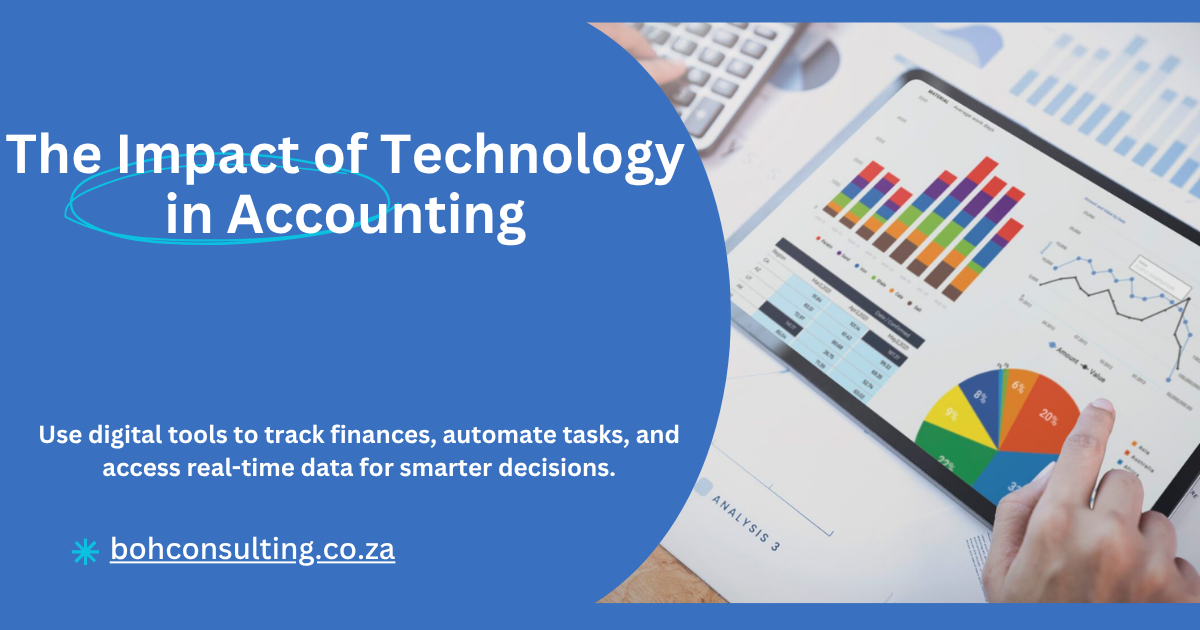
Technology has significantly improved the way businesses manage their finances. Digital platforms and automation tools simplify tasks that once required extensive manual effort.
For example, accounting software (https://en.wikipedia.org/wiki/Accounting_software) allows businesses to track transactions, generate financial reports, and manage invoices more efficiently.
These tools also provide real-time access to financial data, making it easier for business owners and accountants to collaborate and make timely decisions.
Building Trust Through Accurate Financial Records
Strong financial records build credibility. Investors, lenders, and business partners are more likely to trust organizations that demonstrate responsible financial management and transparency.
Accurate accounting practices show that a business is organized, compliant, and financially responsible. This level of transparency strengthens relationships with stakeholders and improves opportunities for growth.
Professional accounting services ensure that financial records remain accurate, consistent, and reliable.
Conclusion: Financial Clarity as a Long-Term Business Advantage
Clear financial management plays a critical role in the success of any business. When finances are organized and transparent, business owners can make decisions with confidence.
Professional accounting services provide the expertise needed to achieve this clarity. From bookkeeping and tax management to financial planning and reporting, accountants support every aspect of financial health.
Businesses that prioritize financial clarity create a strong foundation for stability, growth, and long-term success