


Introduction: The Financial Reality Facing South African Entrepreneurs
South African entrepreneurs are the backbone of innovation and economic dynamism, but without financial clarity their ventures are vulnerable. Too many SMEs misinterpret revenue as liquidity, leading to working capital mismanagement that threatens business continuity. Understanding your finances isn’t a nice‑to‑have ,it’s a prerequisite for survival and sustainable growth in the competitive South African economy. (Cape Argus)
A business can be generating healthy sales yet still be cash‑strapped if funds are tied up in receivables or poorly timed expenditures. This paradox is often overlooked, with entrepreneurs fixated on top‑line growth while the bottom line quietly deteriorates.
Core Entrepreneur Finance Tips for Sustainable Growth
One of the most impactful entrepreneur finance tips is separating personal and business finances. Without distinct accounts, tracking business performance, preparing accurate tax returns, and securing financing become unnecessarily complex. Start by opening a dedicated business banking account and enforce strict boundaries for all transactions. (StartUp Magazine South Africa)
Another cornerstone is establishing disciplined budgeting and cash flow forecasting practices. A detailed budget functions as a financial roadmap, ensuring you anticipate expenditures before they materialise and identify potential shortfalls early. Regular reviews of your budget and forecast enable you to make strategic adjustments well in advance of crises. (StartUp Magazine South Africa)
The Most Common SME Accounting Mistakes
A pervasive issue for SMEs is neglecting regular bookkeeping. When financial records are inconsistent or outdated, you lose visibility into actual performance, making it harder to detect anomalies or make informed decisions. Consistent bookkeeping prevents errors from accumulating and simplifies tax filing. (The Brief)
Many SMEs also underestimate the complexity of compliance. In South Africa, businesses must adhere to multiple tax obligations, including VAT, PAYE and provisional tax. Missing these deadlines or misunderstanding requirements can result in penalties from the South African Revenue Service (SARS) that erode precious cash reserves. (John-Naicker Accounting)
Finally, confusing profit with cash is a common accounting mistake. Profit might look healthy on paper, but without actual cash in the bank things can unravel quickly and especially when clients delay payments. (StartUp Magazine South Africa)
Cash Flow Blind Spots That Undermine Businesses

Cash flow blind spots are a silent hazard. It’s all too common for SMEs to send invoices sporadically, delay follow‑ups, or lack clear payment terms , practices that extend the cash conversion cycle and starve the business of operating capital. Establish a disciplined invoicing cadence and clear credit policies to minimize delays. (StartUp Magazine South Africa)
Underestimating operational expenses is another trap. Business owners often forecast based on optimism rather than realistic expenditure patterns, leading to budget overruns and unnecessary borrowing. A grounded view of recurring and variable costs is essential for accurate financial planning. (StartUp Magazine South Africa)
Financial Systems That Create Control and Visibility
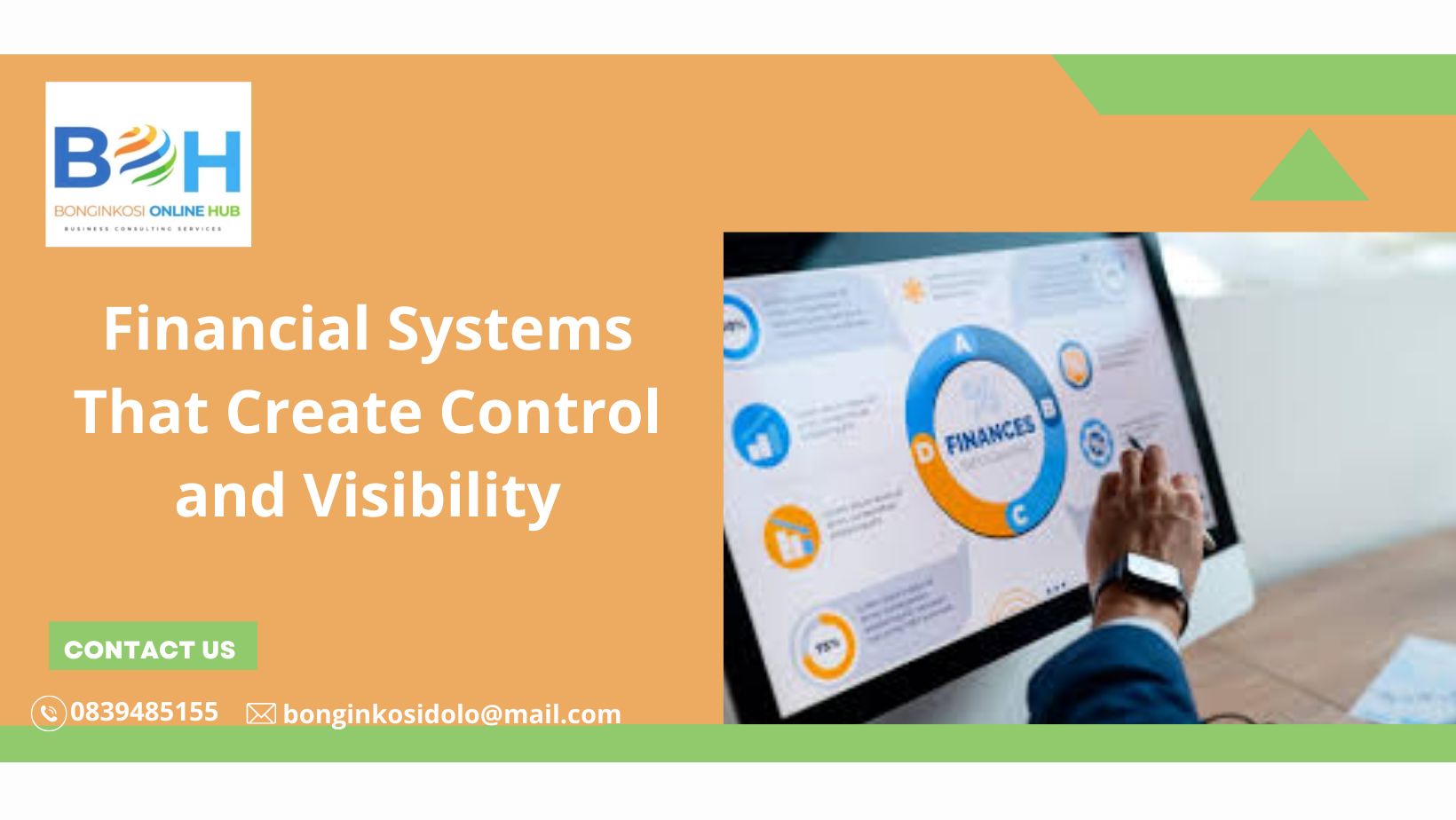
Implementing the right systems is non‑negotiable for achieving financial clarity. Cloud‑based accounting solutions like Xero, QuickBooks or Sage Business Cloud Accounting automate routine tasks, improve accuracy, and provide real‑time visibility into financial performance. This enables timely reporting and easier reconciliation. (StartUp Magazine South Africa)
These tools not only streamline basic accounting but also offer dashboards and analytics that highlight trends, anomalies, and opportunities and turn raw data into actionable insights. Investing in reliable software dramatically reduces the risk of human error and unlocks deeper financial understanding.
Decision‑Making Through Financial Clarity SA Businesses
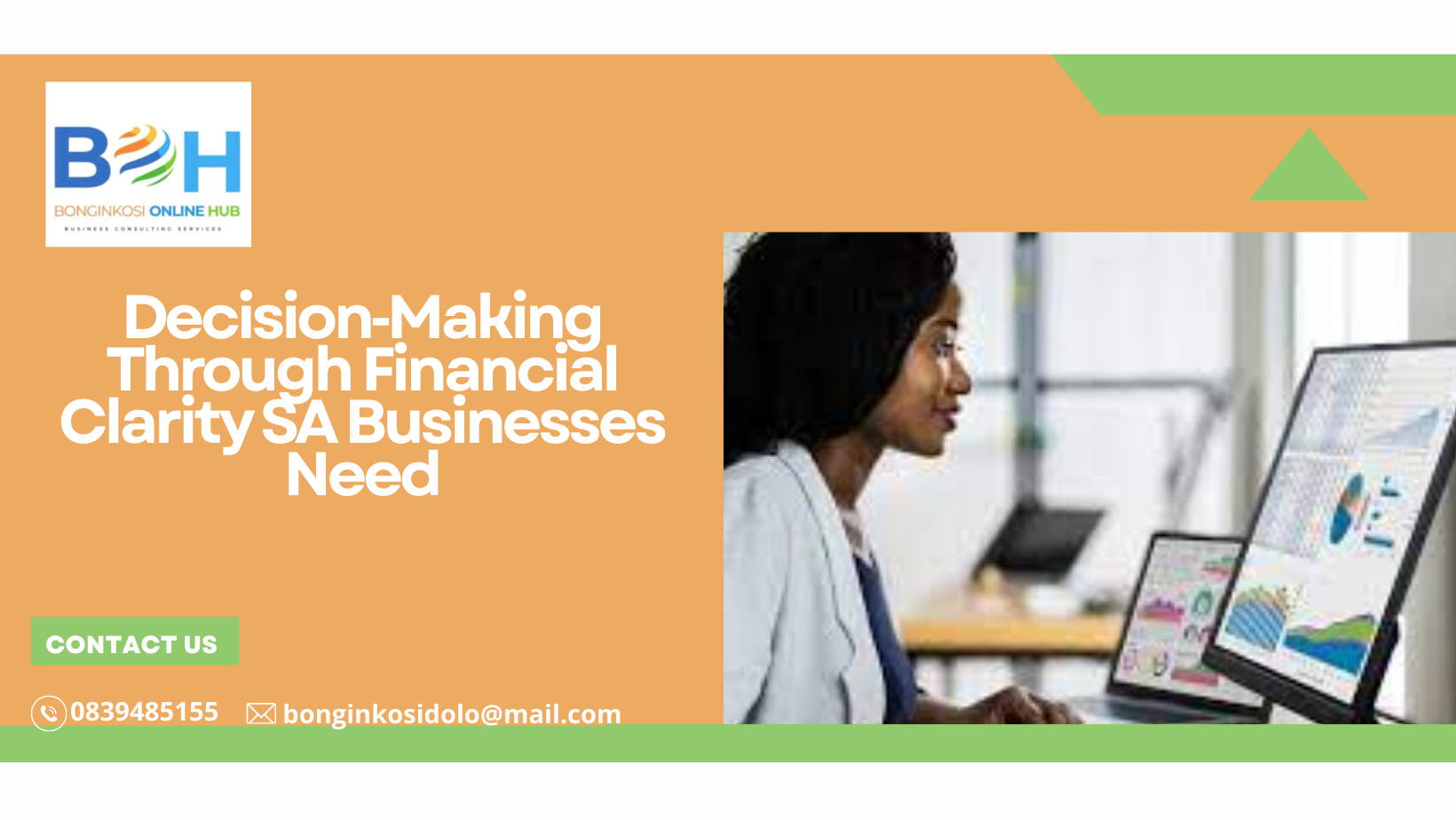
Financial clarity empowers leaders to make strategic decisions with confidence. When you can interpret your income statement, balance sheet and cash flow statement, you transform financial data from a maze into a roadmap. For example, pricing decisions are no longer guesswork but calculated moves informed by cost structures and market positioning. (SME South Africa)
Clarity also enhances credibility with investors and lenders. Transparent, up‑to‑date financials signal professionalism and preparedness are two qualities that financial partners value highly when evaluating funding requests.
Professional Support and Strategic Advisory

Recognizing when to enlist professional help is itself a strategic finance tip. External accountants or financial advisors bring expertise that goes beyond routine bookkeeping. They help optimize tax positions, create robust forecasts, and align financial practices with broader business goals. (John-Naicker Accounting)
Professional support can also bridge knowledge gaps especially in complex areas like cash flow structuring, compliance, or strategic financial planning. When internal resources are stretched, outsourcing specific functions can save both time and money.
Conclusion: From Financial Confusion to Command
Entrepreneur finance tips are only as effective as their execution. Avoiding SME accounting mistakes requires consistent effort, structured systems, and a commitment to financial literacy. By adopting disciplined practices, harnessing technology, and engaging expert support when needed, you can move from reactive finance management to proactive financial leadership.
Financial clarity isn’t just about compliance or pleasing numbers on a page. It’s about building a resilient business capable of withstanding market cycles, seizing opportunities, and thriving in the long term. This level of insight and control is what transforms aspiration into achievement.