
Introduction
Running a small or medium business in South Africa comes with its fair share of challenges—keeping your finances in check is one of them. That’s where proper SME accounting comes in. It’s not about fancy tools or ticking off boxes; it’s about having clear, accurate records that help you stay in control.
Good business bookkeeping means knowing where your money is going and what’s coming in. It also helps when you need to meet the basic financial reporting requirements.
Managing salaries can be tricky, too, which is why solid payroll services make things a lot easier. And if hiring someone full-time isn’t an option, bringing in an outsourced accountant can give you the support you need without the extra overhead.
Bookkeeping: The Foundation of Financial Clarity
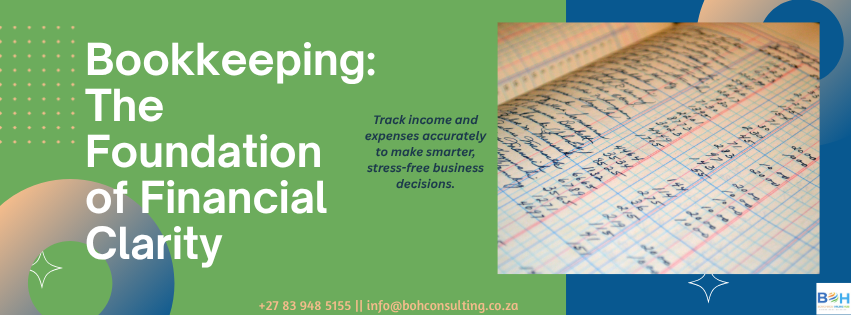
For smaller businesses, keeping your books in order is one of the most important parts of running a business, and that includes staying on top of day-to-day transactions helps avoid mistakes that can grow into bigger problems later. Reliable business bookkeeping means writing things down as they happen—what you’ve sold, what you’ve bought, and what you’ve spent. It gives you a clear view of where you stand and helps when it’s time to file taxes or apply for funding.
Checking your bank statements regularly also matters. It’s a simple step, but it can stop small issues from turning into cash flow problems. This is a key part of SME accounting—making sure your records match what’s actually in your account.
Some tools can help. Some let you track spending, send invoices, and stay organised without needing to do everything manually. When you’re also managing staff and using payroll services, it helps to have software that fits your setup and supports the financial reporting South Africa expects.
Not everyone has the time or skills to manage all of this alone. That’s where an outsourced accountant can step in, handling the details so you can focus on running your business with more peace of mind.
Payroll Management: Ensuring Compliance and Employee Satisfaction
Handling payroll is just as important as all the others every single time. It’s not just about making sure people get paid—it’s about making sure you’re following the rules when it comes to things like PAYE, UIF, and SDL. Even small errors can lead to trouble with SARS or leave your staff feeling frustrated. That’s why many businesses turn to trusted payroll services to keep everything in order.
You also need to be familiar with the country’s labour laws. Things like leave days, salary deductions, and payment deadlines aren’t optional. This is where solid SME accounting and steady business bookkeeping come in handy. If your records are clear and up to date, it’s much easier to stay in line with what’s required.
More and more businesses are using automated systems for payroll now. These tools can calculate deductions, create payslips, and file returns for you. It cuts down on mistakes and saves time, especially when preparing the kind of financial reporting South Africa expects.
And if doing all this yourself isn’t realistic, getting help from an outsourced accountant or payroll professional can take the pressure off, so you can focus on running your business.
Tax Preparation and Compliance: Staying Ahead of SARS
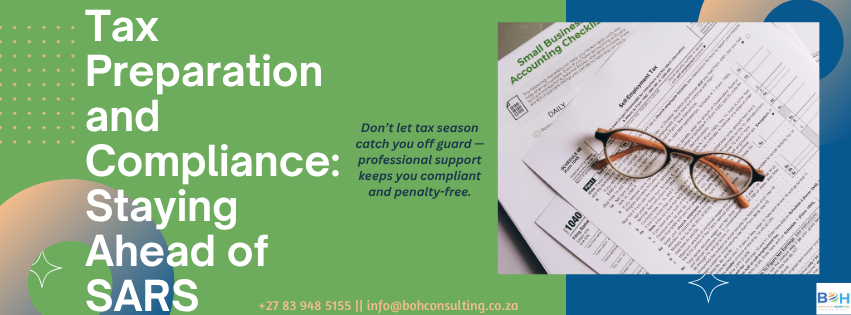
Paying taxes is just part of running a business here in South Africa, but it can quickly become overwhelming if you don’t stay on top of things. Whether it’s VAT, income tax, or provisional tax, understanding what you owe and when it’s due is essential. These aren’t once-off tasks—they need regular attention throughout the year. Good SME accounting helps you keep things organised and avoids last-minute stress.
Each tax type has its own deadlines and rules. Missing these or making errors can lead to fines that hurt your business. That’s why keeping clear business bookkeeping is so important—it makes it easier to get your numbers right when it’s time to file.
The reports required for financial reporting in South Africa must be accurate and submitted on time to avoid problems. Planning ahead also means you can legally reduce your tax burden by making smarter financial choices.
If you’re unsure about how to manage all this, an outsourced accountant can be a great help. They stay up to date with SARS regulations and can guide you through the process, giving you peace of mind, especially when tax season rolls around.
Financial Reporting: Turning Numbers Into Insights
For all small businesses, financial reporting is really about understanding the story behind the numbers, meaning regularly putting together monthly and yearly statements that show how the business is doing. These include things like balance sheets, income reports, and cash flow summaries, which help you see where the money is coming from and where it’s going.
The key to getting useful reports is keeping good business bookkeeping. If your records aren’t accurate or up to date, the reports won’t give a clear picture. That can make it tough to make smart decisions about things like budgets or investments.
It’s important to regularly look at reports such as profit and loss statements, cash flow projections, and budget checks. These help you spot how things are going and whether any changes are needed.
Many small businesses work with an outsourced accountant to make sure their reports are correct and follow the rules. When combined with solid SME accounting and dependable payroll services, it gives business owners the clear information they need to plan and grow with confidence.
Cash Flow Management: Maintaining Operational Health
Managing cash flow well is crucial for keeping a small business running smoothly, especially in South Africa’s often unpredictable market. It means staying on top of when money comes in and when it needs to go out. If this balance is off, even for a short time, it can cause serious problems like missed payments for rent, suppliers, or staff wages.
A common issue is when payments from customers arrive late, but bills still need to be paid on time. This gap can quickly drain your cash reserves. Without up-to-date business bookkeeping, it’s tough to see these problems coming until they become urgent.
The key to avoiding these surprises is regularly reviewing your finances and making realistic cash flow forecasts. It also helps to know which bills are most important and to talk openly with suppliers about payment plans when needed. By keeping a close eye on your cash flow, you give your business a better chance to stay steady today and grow tomorrow.
Budgeting and Financial Planning: Setting SMEs Up for Long-Term Success
For SMEs to stay on course amid fluctuating market forces, it’s of paramount importance that their budgeting is rooted in reality. It’s not just about assigning numbers to expenses and income, but about anticipating what’s truly feasible given current economic conditions. By basing budgets on tangible market trends and historical data, businesses avoid setting themselves up for surprises and can better manage cash flow.
Financial planning should always reflect the bigger picture of a company’s ambitions. When budgets mirror strategic goals, resources are directed purposefully rather than scattered. This focus helps uncover areas where spending can be optimized or adjusted to meet shifting priorities, creating a roadmap that aligns day-to-day operations with long-term growth.
Understanding where costs sit and how they impact the business often reveals opportunities to trim unnecessary expenses without sacrificing quality or performance. Incorporating payroll management into this framework is vital, as staff costs typically represent a significant portion of expenditure. Careful attention to SME accounting, alongside consistent business bookkeeping and clear financial reporting, ensures that every decision supports both compliance and sustainable progress.
Business Advisory Services: More Than Just Number Crunching
Financial health checks offer a straightforward way to see how a business is really performing beyond the numbers on paper. By reviewing financial statements and operational data, it becomes easier to spot trends or issues that might affect growth. This kind of honest assessment helps business owners make informed decisions instead of relying on guesswork.
When it comes to securing funding, the process can be overwhelming without the right preparation. Clear, well-maintained business bookkeeping and adherence to financial reporting South African standards build credibility with lenders. This attention to detail can make a real difference in loan approvals and terms, ensuring businesses are ready when opportunity knocks.
Planning for growth requires a realistic approach that fits the unique circumstances of each SME. Mapping out achievable steps aligned with the company’s goals prevents overreach and supports steady progress. Incorporating sound practices from SME accounting and payroll services lays the groundwork for sustainable development, keeping finances healthy while expanding operations.
Conclusion
A solid foundation in SME accounting is crucial for businesses aiming to thrive in a competitive market. Comprehensive support—from precise business bookkeeping to detailed financial reporting standards—provides clarity and control over financial health. Reliable payroll services ensure employees are paid accurately and on time, fostering trust and stability within the workforce.
Selecting the right partner to navigate these complexities makes all the difference. An experienced outsourced accountant offers not only technical expertise but also valuable insights tailored to local regulations and market dynamics. This partnership allows businesses to focus on growth, confident that their finances are in capable hands.
Taking the next step means embracing professional accounting support as an investment in long-term success. With the right guidance, SMEs can transform their financial management into a strategic advantage, positioning themselves firmly for sustainable growth and resilience.